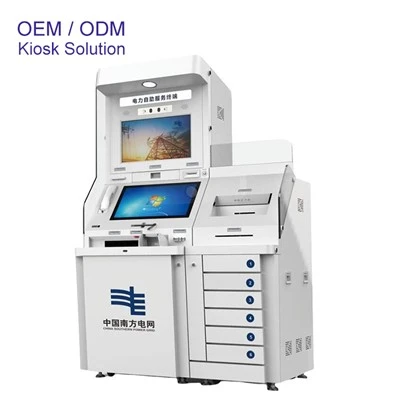
Hey there! If you’ve ever traveled abroad and panicked about not having a working phone the second you land, you’ve probably wondered about quick fixes. And if you’re checking out sim card dispenser kiosks—especially if you’re a business owner looking to add these to airports, hotels, or transit hubs—one question pops up all the time: do these kiosks even sell international roaming sim cards?
Let’s cut through the confusion here, because this isn’t a yes/no question with a one-size-fits-all answer. As a sim card dispenser kiosk supplier, I’ve talked to dozens of clients (airport managers, hostel owners, even local convenience store chains) who’ve asked this exact thing. So let’s break it down, no stuffy jargon, just real talk from someone who works with these machines every day.
First, let’s start with how these kiosks actually work. Back in the day, you’d buy a sim card at a carrier’s store, wait in line, fill out a form, and deal with a sales rep who only spoke your language half the time. Now, a sim card dispenser kiosk is a touch-screen, self-service machine that dispenses sim cards instantly—no lines, no paperwork, no waiting for a staff member. They run on partnerships with local or global carriers, right? So the question of whether they sell roaming sim cards boils down to who that kiosk’s partnered with, and where the kiosk is located.
Here’s the thing: not all sim card dispenser kiosks are set up the same. Some are tiny, local machines in small towns that only sell domestic sims—perfect for people who forgot their card back home and need a local number. But the ones in high-traffic areas like airports, cross-border transit hubs, or major downtowns? Those are almost always set up to handle international needs. Why? Because travelers are the biggest group that uses these kiosks, and 9 out of 10 travelers say international connectivity is a top priority when they’re abroad.
Now, let’s get specific about roaming sims. International roaming sim cards are different from local sims: they work in multiple countries, let you use data, calls, and texts across borders without switching cards every time. Some kiosks call these “global sims” or “travel sims” instead of “roaming sims”—same thing, just different marketing terms. But can a kiosk stock these? Absolutely—if the supplier (that’s me, basically) sets the machine up with the right carrier partnerships.
Wait, let’s be clear: I’m not saying every sim card dispenser kiosk sells roaming sims. I’ve had a client who put a tiny kiosk in a small ski resort in Colorado, and they only stock domestic AT&T and T-Mobile sims. No one’s coming there from another country and needs a global sim—most travelers are driving across state lines, so a domestic sim works. But another client put a kiosk in JFK Airport in New York, and 70% of their sales are international roaming sims for people from Europe, Asia, and South America. That’s a night and day difference based on location and the partnerships we built for that machine.
So what goes into making a kiosk stock roaming sims? First, carrier partnerships. I work with a handful of global carriers that offer travel sims, and to get those into a kiosk, you need a machine that’s set up to process the right activation info. Some kiosks are basic—they just spit out the sim card, and you have to activate it on a website later. But the ones that handle roaming sims are usually more advanced: they can verify your device, check compatibility, and even load data plans right there on the screen. That’s why a lot of airport kiosks that sell roaming sims are the ones that have bigger touch screens and more options—we call them “full-service” sim card dispenser kiosks, and you can see an example of that at SIM Card Dispensing Kiosk.
Another big factor: compliance. International sim cards have to meet different regulations in different countries. For example, the EU has strict rules about eSIMs and roaming data, while some countries in the Middle East require physical sims with registered personal info. A good kiosk setup (the kind we build) can handle that—they’ll ask for basic ID (like a passport photo or number) if the country requires it, and make sure the sim is activated legally so you don’t get blocked from using it abroad. I’ve seen too many travelers buy a cheap sim from a random kiosk, only to find out it’s not roaming-compliant, so it doesn’t work when they fly to their next destination. That’s a nightmare, and it’s avoidable if the kiosk is set up right.
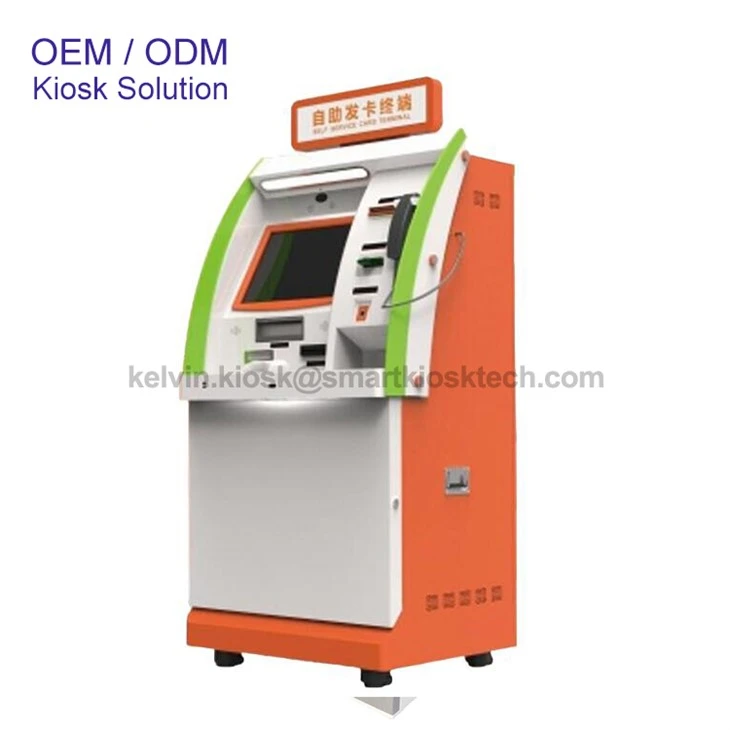
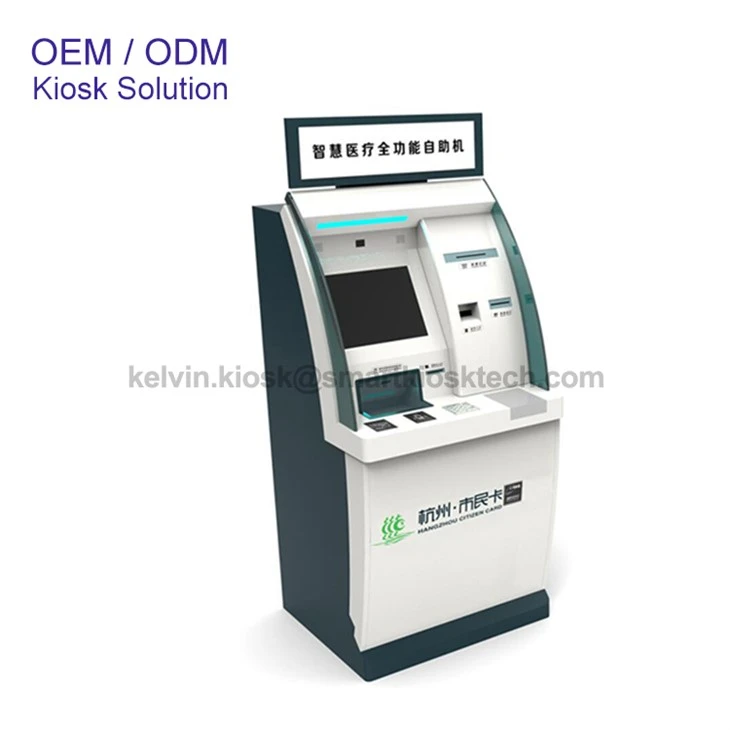
Wait, let’s talk about eSIMs too, because that’s a game-changer lately. A lot of people don’t know that some sim card dispenser kiosks now sell eSIMs, which are digital sims you download to your phone instantly. Do those work internationally? Yes—if they’re from a carrier that offers global eSIM roaming plans. We’ve started adding eSIM functionality to our kiosks over the last year, and clients in airports love it because travelers don’t have to wait for a physical sim to come out. You just scan your passport, pick a plan, and download it to your phone in 2 minutes. That’s a huge win for people who hate fumbling with tiny sim cards while juggling luggage.
But here’s the catch: even the best kiosk can’t sell roaming sims if it’s not updated regularly. Carriers change their plans all the time—they might add a new plan for Southeast Asia, or discontinue an old one for Latin America. That means we have to remotely update the kiosk’s software every few months to make sure the roaming options are current. I’ve had a client who forgot to do that, and their kiosk was stuck selling outdated roaming sims that didn’t work in the UK anymore. Oops. So if you’re a business owner thinking about adding a kiosk, make sure the supplier offers regular software updates for roaming plans—because that’s the part most people miss.
Let me also address a common myth: some people think buying a roaming sim from a kiosk is way more expensive than buying it from a carrier’s website. That used to be true, but not anymore. We negotiate bulk rates with carriers for our kiosk clients, and the plans we offer are often cheaper than what you’d find online. For example, a 7-day global data plan might cost $30 on a carrier’s website, but $22 through our airport kiosks because we’re working with bulk roaming rates. Plus, you get it instantly—no waiting for shipping, which is worth it if you land at 2 a.m. and need data to get to your hotel.
But wait, are there downsides? Sure. If you’re a frequent international traveler, a roaming sim from a kiosk might not be the best long-term option. A lot of kiosk plans are short-term (1 week, 2 weeks) for one-off trips. If you’re traveling every month, you might want a personal global sim. But for occasional travelers, kiosk sims are perfect. Also, some kiosks have limited plan options—they might only offer 3-4 global plans, not 20 like a carrier, so you can’t customize it as much. But for most people, “10GB data, 100 calls to the US” is exactly what they need.
Now, if you’re a business owner looking to add these kiosks—whether it’s to an airport, a hotel, a cruise ship, or a downtown transit stop—let’s talk about what you need to make sure your kiosk offers roaming sims. First, work with a supplier that has established carrier partnerships for roaming. That’s where we come in. We don’t just sell you a machine; we handle all the carrier setup, software updates, and even troubleshooting if a sim doesn’t work. Second, pick a high-traffic location—kiosks in places with lots of international travelers will sell way more roaming sims than ones in small towns. Third, make sure the kiosk has a big, easy-to-use screen with multiple languages (Spanish, Mandarin, French, etc.) because international travelers might not speak the local language.
If you’re still not sure whether a sim card dispenser kiosk is worth it for your business, or if you have questions about getting one that offers roaming sims, we’re here to help. We work with businesses of all sizes, from small hostel owners to major airport operators, and we can tailor a kiosk setup that fits your location and your customers’ needs. Whether you need physical sims, eSIMs, local plans, or international roaming plans, we’ve got you covered. Reach out to us to learn more and talk through your specific needs—we’d love to help you set up a kiosk that works for your customers, no matter where they’re traveling.
At the end of the day, the answer to “do sim card dispenser kiosks offer international roaming sim cards?” is: some do, and it’s totally worth it if you’re in a high-traffic area with lots of travelers. It’s not a one-size-fits-all, but if you set the kiosk up with the right partnerships, software, and location, it can be a huge value for your customers—way better than standing in a long carrier line at 10 p.m. when you just want to get to your hotel. So if you’re thinking about adding a kiosk, don’t sleep on roaming sims—they’re one of the biggest drivers of sales for these machines, and they solve a real problem for travelers.
References:
- International Telecommunication Union. (2023). Global Trends in Mobile Roaming Services and Self-Service Kiosk Adoption.
- Statista. (2024). Traveler Connectivity Needs: Preference for Instant Sim Card Access During International Trips.
- GSMA. (2023). Guidelines for Self-Service Mobile Kiosks Supporting Cross-Border Sim Card Transactions.
- Pyvy, T. (2022). Small Business Integration of Sim Card Kiosks: Customer Demand for Roaming Services in Transit Hubs.
- European Commission. (2023). Roaming Data Regulations and Compliance for Self-Service Kiosks in EU Member States.