

Hey there! I'm an outdoor kiosk supplier, and today I'm super stoked to chat about the materials we use to make these awesome outdoor kiosks. You know, outdoor kiosks are like the unsung heroes of the public space. They're everywhere, from bustling city streets to quiet park corners, dishing out all kinds of info and services. But have you ever stopped to wonder what goes into making them? Well, stick around, and I'll break it down for you.
Steel
Let's start with steel. It's one of the most common materials we use, and for good reason. Steel is tough as nails. It can withstand all sorts of abuse, whether it's a random kick from a passerby or a heavy gust of wind during a storm. It's also highly resistant to impact, which is crucial when you're placing a kiosk in a high - traffic area where it could get bumped into.
We usually go for galvanized steel. This type of steel has a protective zinc coating that helps prevent rust. Rust is the arch - enemy of any outdoor structure because it can weaken the material over time. With galvanized steel, our kiosks can last for years in all kinds of weather conditions, from scorching summers to freezing winters.
Another great thing about steel is its versatility. We can shape it into all sorts of designs, whether it's a sleek, modern kiosk or a more traditional - looking one. And it provides a solid base for mounting other components, like screens and signage. If you're interested in a durable and reliable outdoor kiosk, steel is a top - notch choice. Check out our Outdoor Touch Screen Kiosk which often uses high - quality steel for its frame.
Aluminum
Next up is aluminum. Aluminum is like the lightweight champion of the outdoor kiosk world. It's much lighter than steel, which makes it easier to transport and install. This is a huge plus, especially if you're setting up a kiosk in a hard - to - reach location.
Despite its light weight, aluminum is still pretty strong. It has good corrosion resistance, especially when it's treated with an anodized finish. Anodizing creates a protective layer on the surface of the aluminum, making it more resistant to scratches, wear, and the elements.
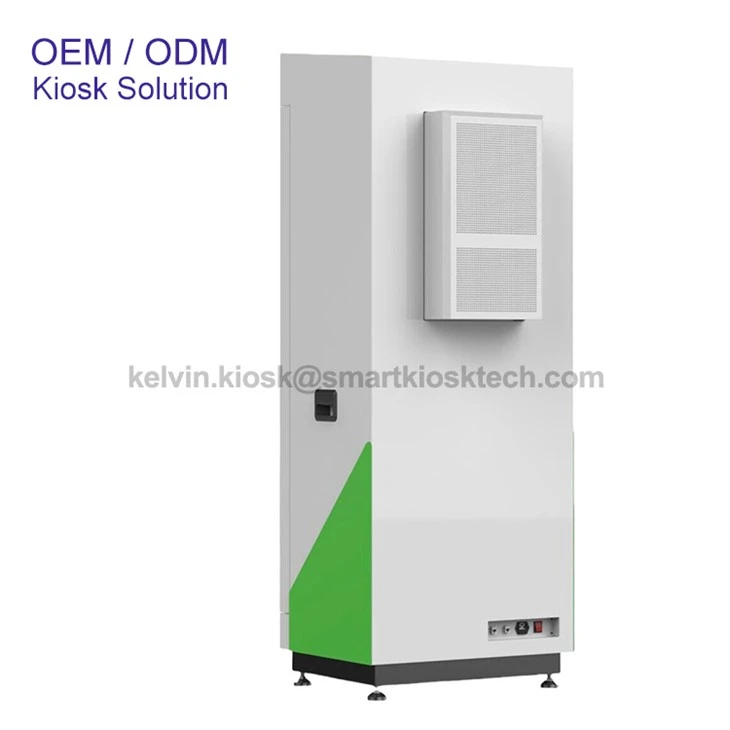
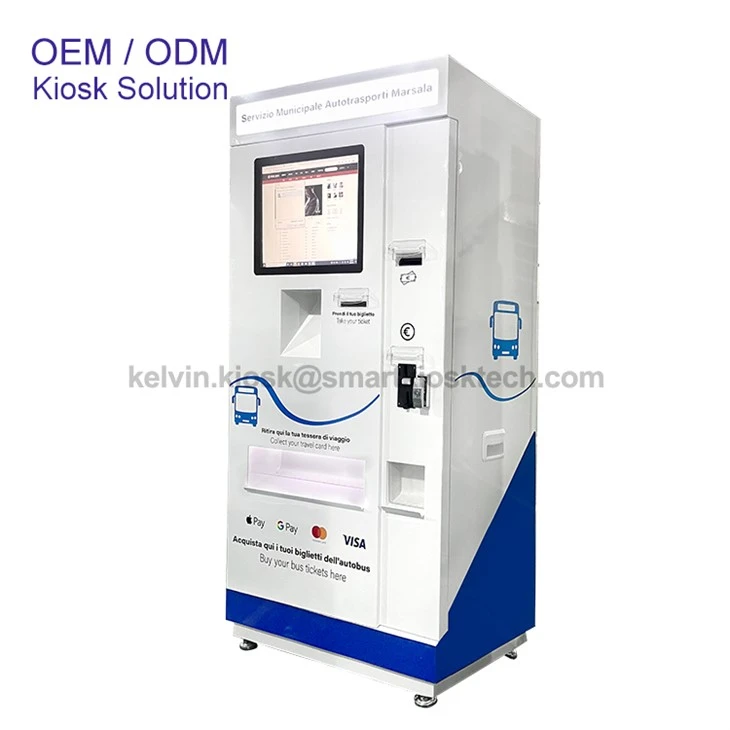
Aluminum also has a great look. It has a sleek, modern appearance that can give your outdoor kiosk a high - tech vibe. And it's easy to paint or powder - coat, so we can customize the color to match your brand or the surrounding environment. If you're looking for a kiosk that's easy to handle and has a contemporary look, aluminum might be the way to go.
Stainless Steel
Stainless steel is another material we often use, and it's a real gem. It combines the strength of steel with excellent corrosion resistance. Unlike regular steel, stainless steel doesn't rust easily, even when it's exposed to moisture and harsh chemicals. This makes it a perfect choice for outdoor kiosks that are placed near the ocean or in areas with high levels of pollution.
Stainless steel has a very clean and professional look. It gives the kiosk a high - end appearance, which can really make it stand out. We can use it for the entire kiosk body or just for certain parts, like the trim or the handles. It's also easy to clean, which is important for maintaining a good - looking and hygienic kiosk.
Polycarbonate
Now, let's talk about polycarbonate. This material is a game - changer when it comes to the display part of the outdoor kiosk. Polycarbonate is a type of plastic, but it's no ordinary plastic. It's incredibly strong and shatter - resistant. In fact, it's much stronger than glass, which makes it a safer option for outdoor use.
Polycarbonate can also withstand a wide range of temperatures without cracking or warping. This is essential for outdoor kiosks because they can be exposed to extreme heat during the day and cold at night. It also has good optical clarity, which means that the images and information displayed on the kiosk's screen are clear and easy to see.
We use polycarbonate for the protective covers over the touch screens. It allows users to interact with the kiosk without worrying about damaging the screen, and it keeps the screen safe from the elements and vandalism.
Wood
Wood might seem like an unusual choice for an outdoor kiosk, but it has its own charm. Wood gives a warm and natural look to the kiosk, which can be a nice contrast to the high - tech components. It's also a renewable resource, which is great for those who are environmentally conscious.
When we use wood for outdoor kiosks, we make sure to treat it properly. We use special wood preservatives to protect it from rot, insects, and the weather. Pressure - treated wood is a popular option because it has a long lifespan and can withstand outdoor conditions.
Wood is also easy to work with, which means we can create unique and intricate designs. We can use it for the exterior panels, the benches, or even the signage. It adds a touch of elegance and a sense of place to the kiosk.
Composite Materials
Composite materials are a combination of different materials, and they're becoming more and more popular in the outdoor kiosk industry. These materials are designed to take advantage of the best properties of each component.
For example, some composite materials are made by combining wood fibers with plastic. This creates a material that has the look of wood but with the durability and low - maintenance of plastic. It doesn't rot, warp, or splinter like traditional wood, and it doesn't require regular painting or staining.
Composite materials are also very versatile. We can mold them into different shapes and sizes, and they come in a variety of colors. They're a great option if you want a kiosk that looks good and lasts a long time with minimal upkeep.
Conclusion
So, there you have it! These are the main materials we use to make outdoor kiosks. Each material has its own unique properties, and the choice of material depends on a variety of factors, such as the location of the kiosk, the budget, and the desired look and functionality.
If you're in the market for an outdoor kiosk, I'd love to have a chat with you. We can discuss your specific needs and figure out the best materials and design for your project. Whether you need a simple information kiosk or a high - tech interactive one, we've got you covered. Don't hesitate to reach out for a quote and start the process of getting your perfect outdoor kiosk.
References
- "Materials for Outdoor Structures" - Construction Materials Handbook
- "Plastic and Composite Materials in Modern Design" - Design Trends Magazine
- "The Durability of Metals in Outdoor Environments" - Metalworking Journal


